
The Pill Works While It Works. The Rest of the Day Is the Problem Nobody Talks About.

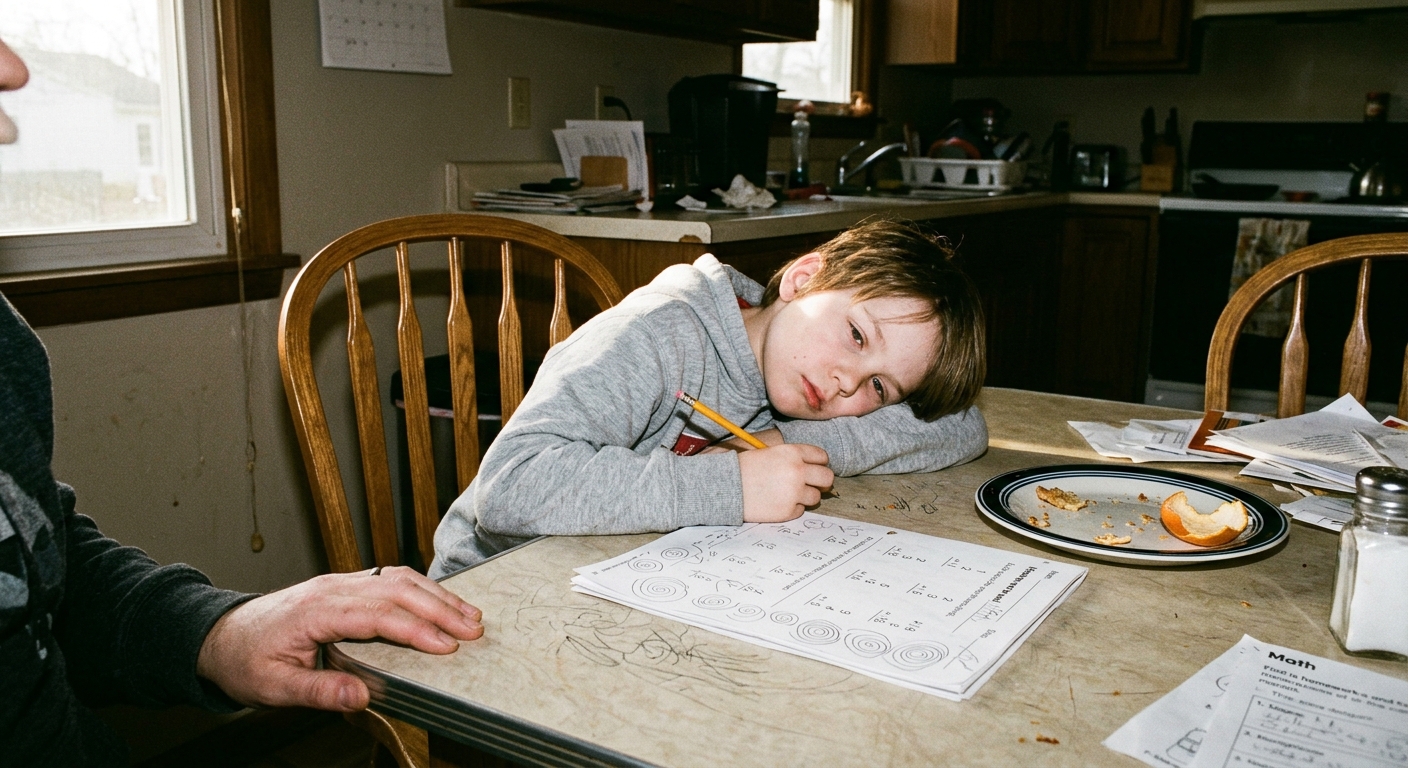
It is 4pm. You know what happens at 4pm.
The morning dose has worn off. Your kid is half-on the chair, half-under it. The worksheet is still mostly blank. You hear the line you hate hearing: "Why can't I just be normal?"
You sit down. You help them through it. You do not say what you are thinking, which is that you have been watching this happen for months and you are not sure the trade-off is worth it anymore.
The prescription works. Nobody is arguing that. But it works for four hours, and then the rest of the day belongs to something else entirely.
What the Prescription Insert Doesn't Prepare You For
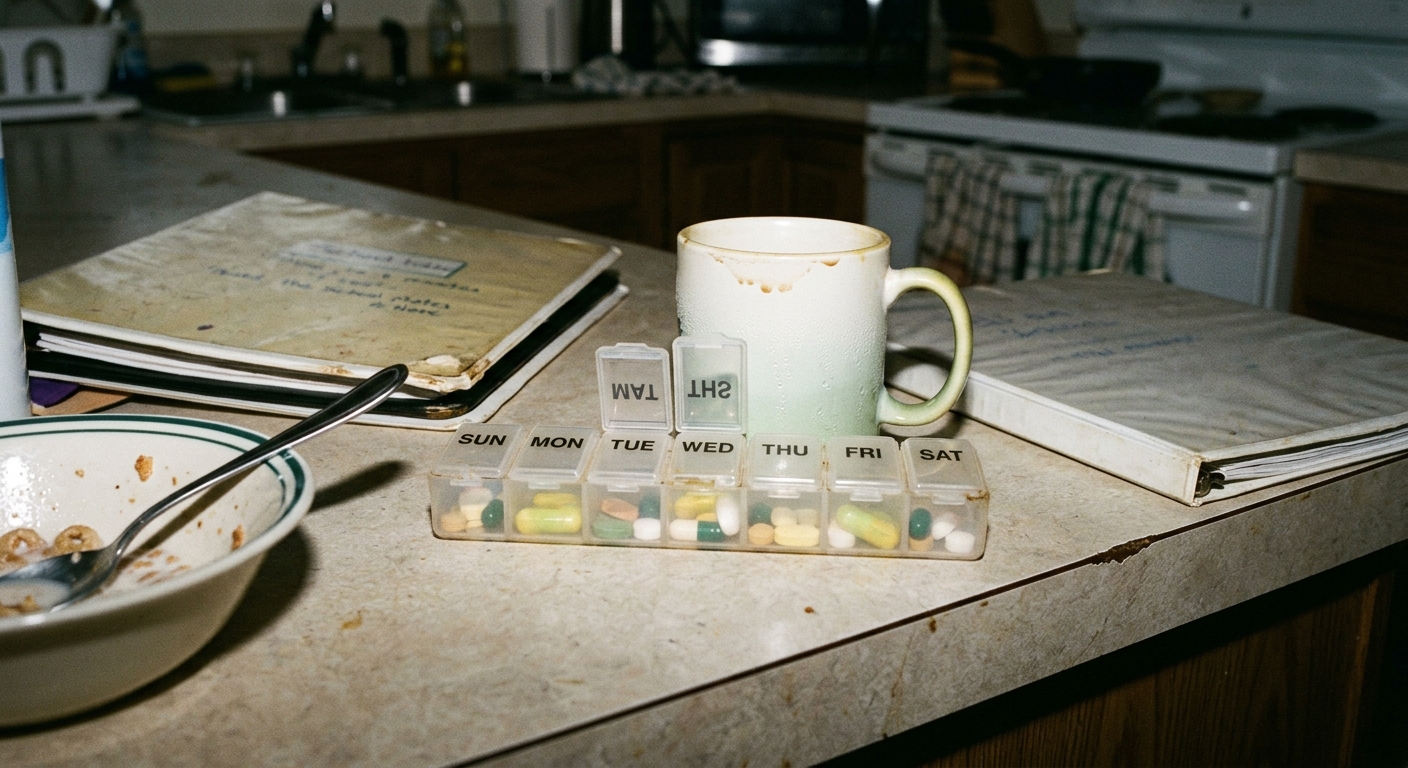
Stimulant medications for ADHD are among the most studied drugs in pediatric medicine. They work on the dopamine pathway. For many kids, they work well. That is not the argument here.
The argument is what happens after.
28% of children on ADHD stimulants report mood and emotional changes. Not a fringe number. More than one in four kids. The child who comes home at 3:30pm is not always the child who left at 8am.
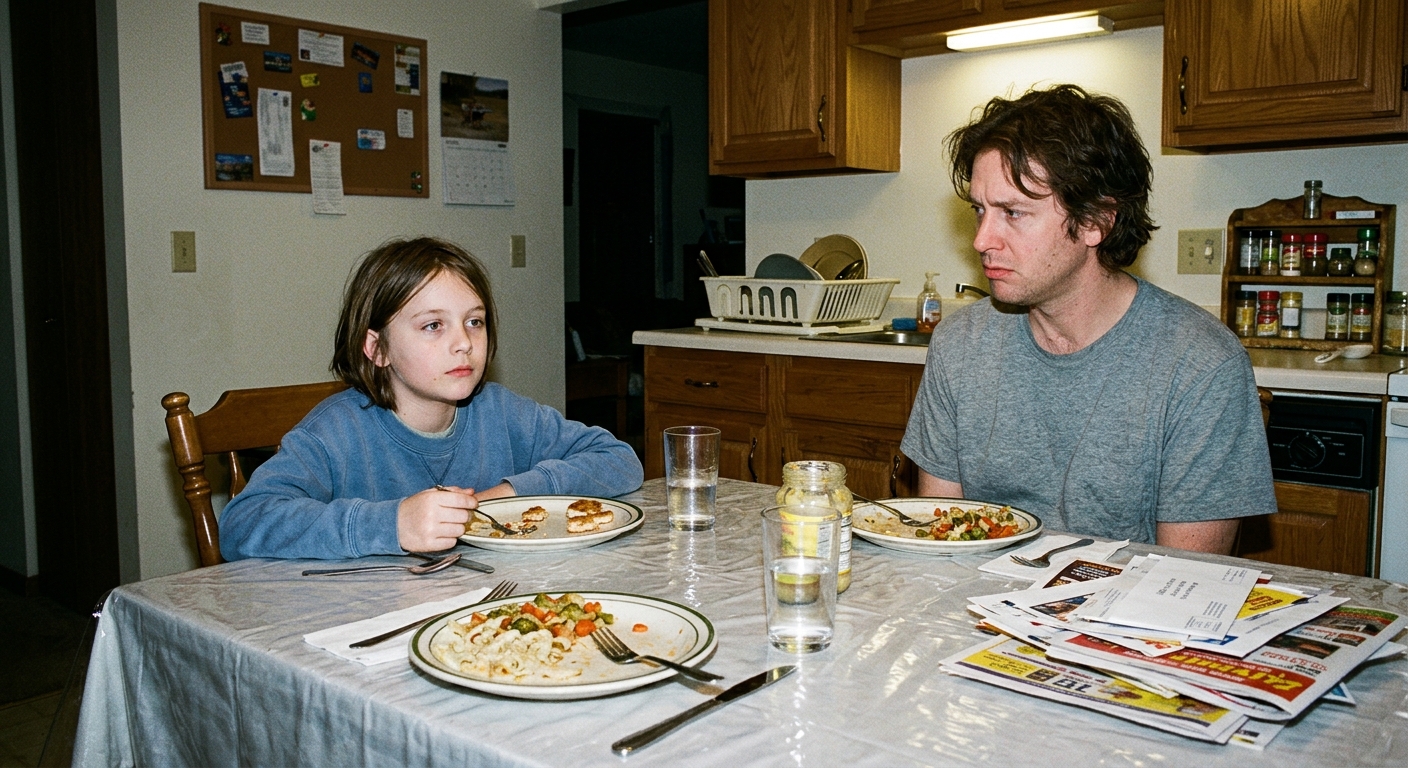
Three times more likely to have nightly sleep problems. Forty percent experience appetite suppression. That is your kid pushing food around the dinner plate. That is the bedtime fight at 9pm when the medication is wearing off in the worst possible direction.
You did not sign up for this version of focus. Neither did they.
The Gap Nobody Told You Existed

I spent three years reviewing pediatric stimulant discontinuation data. The pattern that kept appearing was not about the medication failing. It was about the hours the medication was not covering.
The ADHD brain runs short on dopamine and serotonin regulation. Stimulants address this acutely, for a window of time. When the window closes, the deficit returns, sometimes harder than before. The rebound effect is real, it is documented, and most parents are managing it alone at the kitchen table every afternoon.
What I kept looking for in the data was a daily nutritional approach that worked on the same pathways, not as a stimulant, but as a consistent foundation. Something the brain could use every day, not just for four hours.
The ADHD brain is not broken. It is running a different operating system that needs different inputs. The question is whether those inputs can come from somewhere other than a stimulant prescription.
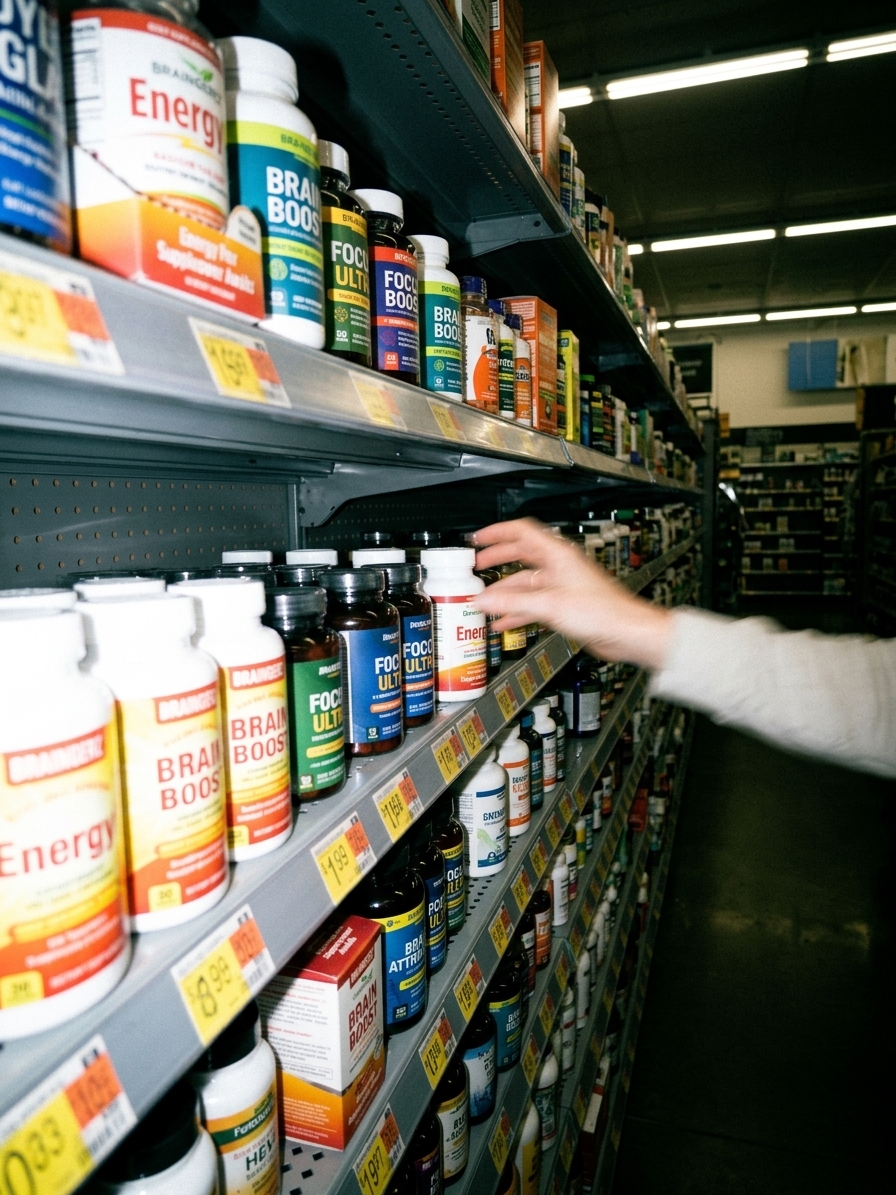
The answer, it turns out, is yes. But the ingredients have to be specific, clinically studied, and dosed correctly for a child's brain. Most of what is on the supplement shelf is none of those things.
What the ADHD Brain Actually Needs Every Day
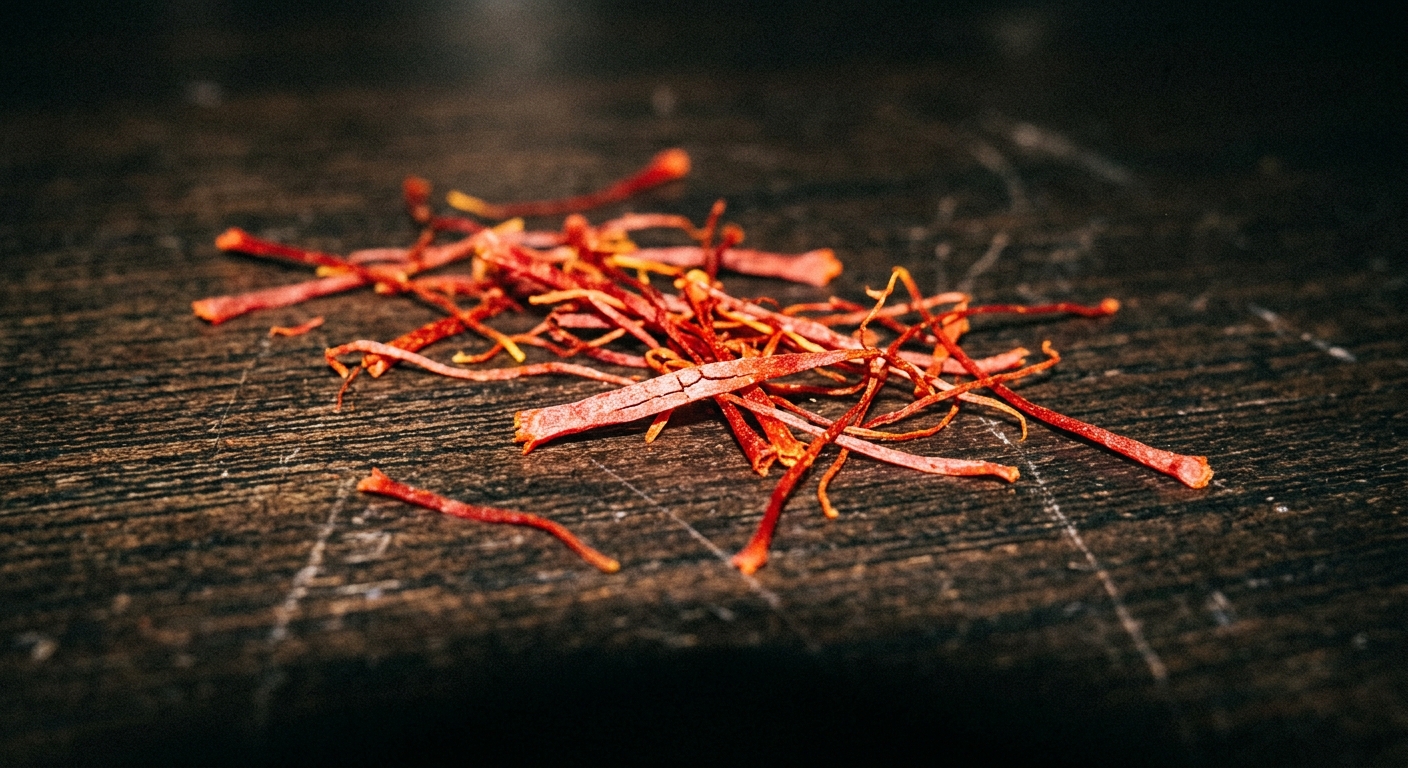
The dopamine pathway is not a mystery. We know which nutrients support it. The problem is that most supplement formulas pick one or two and call it done.
The ADHD brain needs the full stack, working together, every day. Here is what that actually looks like.
Supports dopamine and serotonin balance. The same focus pathway stimulants target, without the stimulant mechanism.
Fuels mental energy and memory. Supports the brain's ability to sustain attention without a crash.
Sharpens brain-cell communication. Helps information move the way it needs to move.
Calm focus without drowsiness. Quiets the background noise so the brain can land on one thing.
Reduces restlessness and mental noise. Supports sleep without sedation.
Balance the dopamine activity ADHD brains run short on. The foundation the other ingredients build on.
Both Affron and Cognizin are patented ingredients with their own published clinical records. These are not generic extracts. The formula behind them took 25 months to develop. Seven manufacturers rejected it before one was willing to make it correctly.
The trials behind this ingredient stack include children ages 6 to 17. Not adults. Not lab models. Kids.
see how this works →
The 4pm That Looks Different

A parent I spoke with described it this way. Her daughter had been on a stimulant for fourteen months. The mornings were manageable. The afternoons were not. She started adding two gummies in the morning alongside the prescription, one more in the afternoon.
Two weeks in, she noticed her daughter at the kitchen table at 4:15pm. Worksheet in front of her. Pencil moving. No spirals in the margin. No line about wanting to be normal.
"I sat there for a minute," she told me. "I realized I wasn't holding my breath."
That is the shift. Not a dramatic transformation. A quiet one. The kind you notice because something that used to be hard stopped being hard.
The formula that did this is called Zaffrina. It is a daily gummy built specifically for the ADHD brain, with the eight clinical ingredients above in a sugar-free, pectin-based, berry-flavored form that a kid will actually take. No stimulant. No sedative. No crash. No taper.
It does not replace a prescription. It fills the hours the prescription does not cover. The late afternoon. The dinner table. The hour before bed when the medication is wearing off in the wrong direction.
22,759 reviews. 4.9 out of 5. 23,000 families taking it daily. The number that matters most to me is not the rating. It is the consistency. Parents who found something that worked and kept coming back for it.
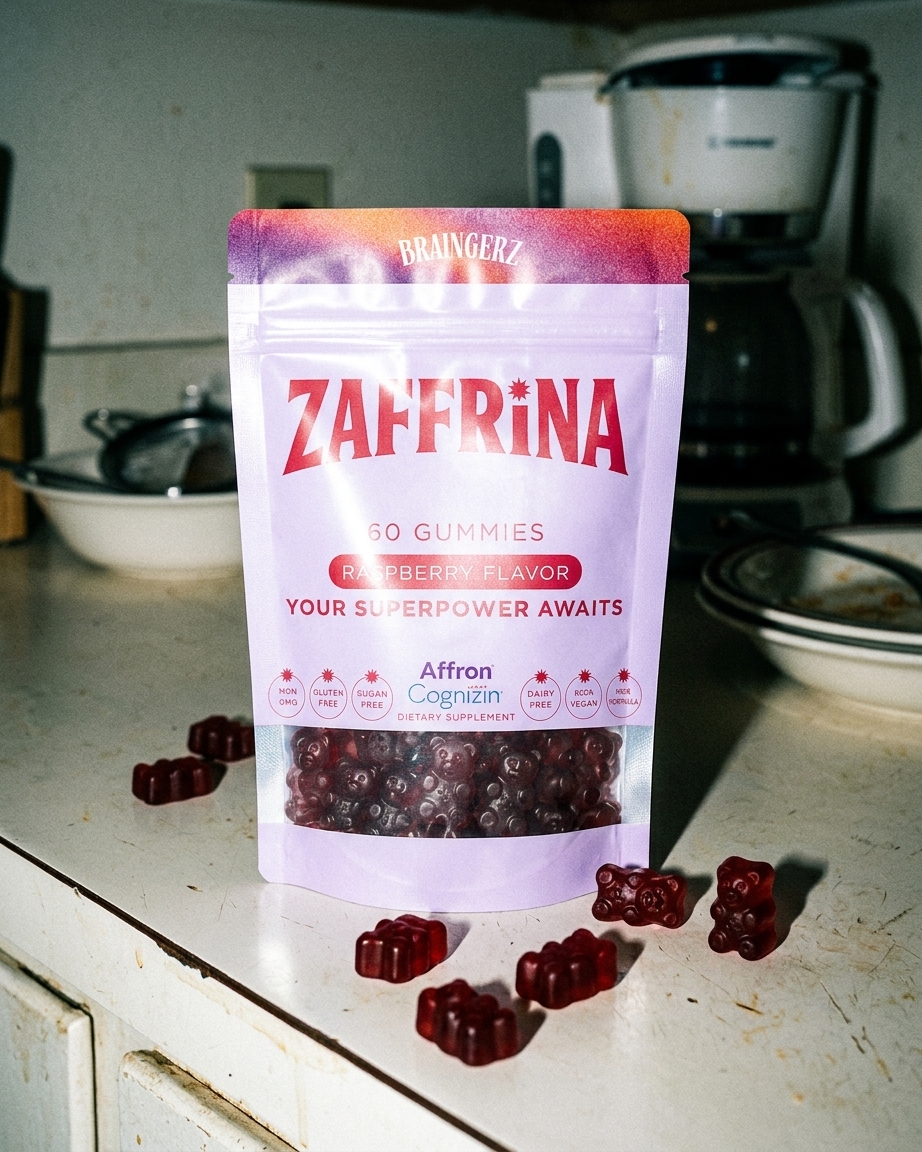
- 30-day supply of Zaffrina Gummies (Berry-Yummy raspberry flavor)
- Sugar-free, pectin-based, no gelatin. Kids actually take these
- 2 gummies daily for ages 6+, 2-3 for teens
- No stimulants, no crash, no taper. Safe alongside existing prescriptions
- Free insured shipping, 7-10 day US delivery
- 90-day money-back guarantee. If nothing changes, the money comes back
If Your Kid Is Already on Adderall, Read This Part
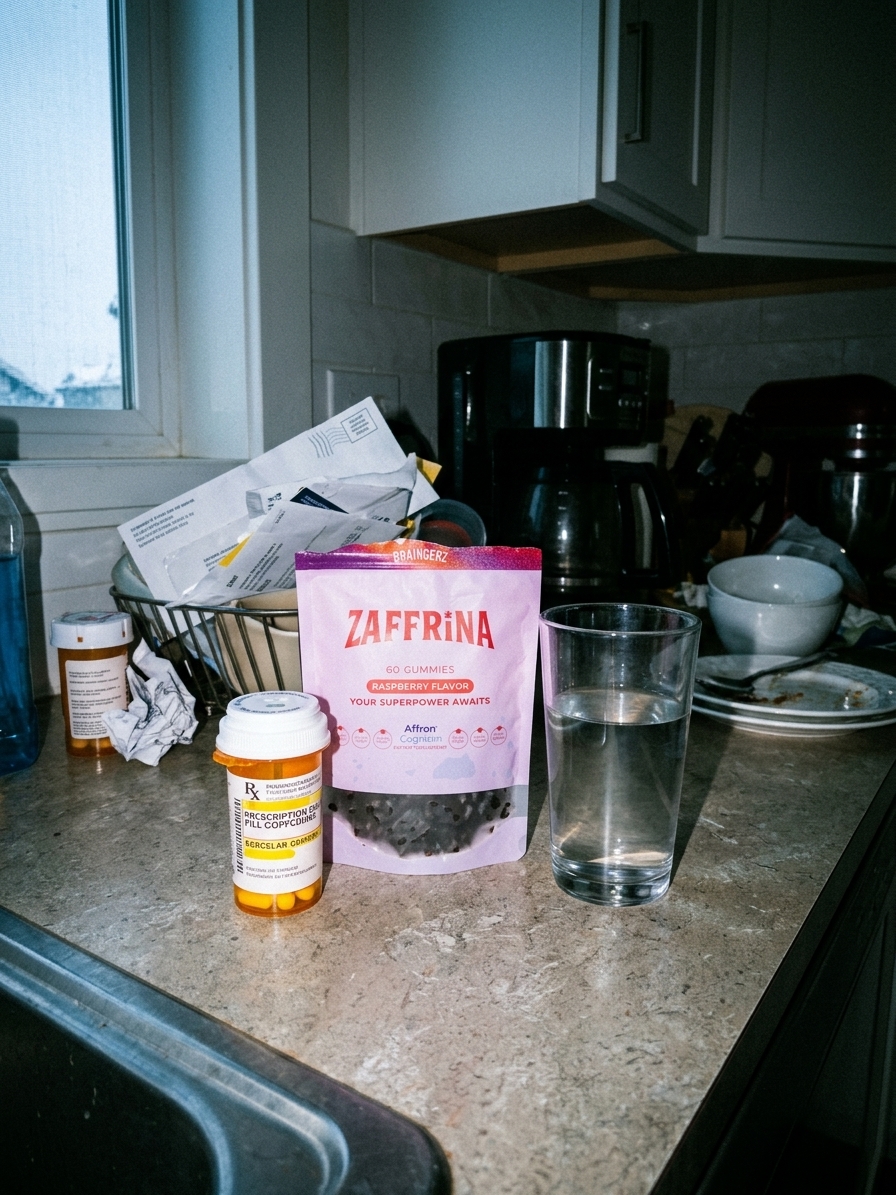
The most common question I get from parents is this one. My kid is already on a stimulant. Why would I add a gummy?
Three reasons.
First: the stimulant covers four good hours. The gummy works on the same dopamine pathways through a different mechanism, all day, without a peak and crash. The afternoon and evening hours the prescription does not cover are exactly where the daily formula does its work.
Second: non-stimulant days. Weekends. Summer. The days you do not want a prescription tab burned. The gummy is non-drowsy, no crash, no taper. It works the same whether the prescription is on or off.
Third: dinner and bedtime. Appetite suppression and wired-awake evenings are stimulant effects. The gummy has neither. You want your kid at the family table eating. You want them asleep at a reasonable hour. Those two things are not in conflict with a prescription. They are just not covered by one.
The 90-day guarantee exists for exactly this reason. Take it daily for two weeks alongside whatever your kid is already on. If it does not change anything, send it back. The formula proves itself or the money comes back. That is the only honest offer a supplement company can make.
23,000 families are taking this daily. A meaningful number of them started with a kid already on a prescription. They are still here because something changed at 4pm.
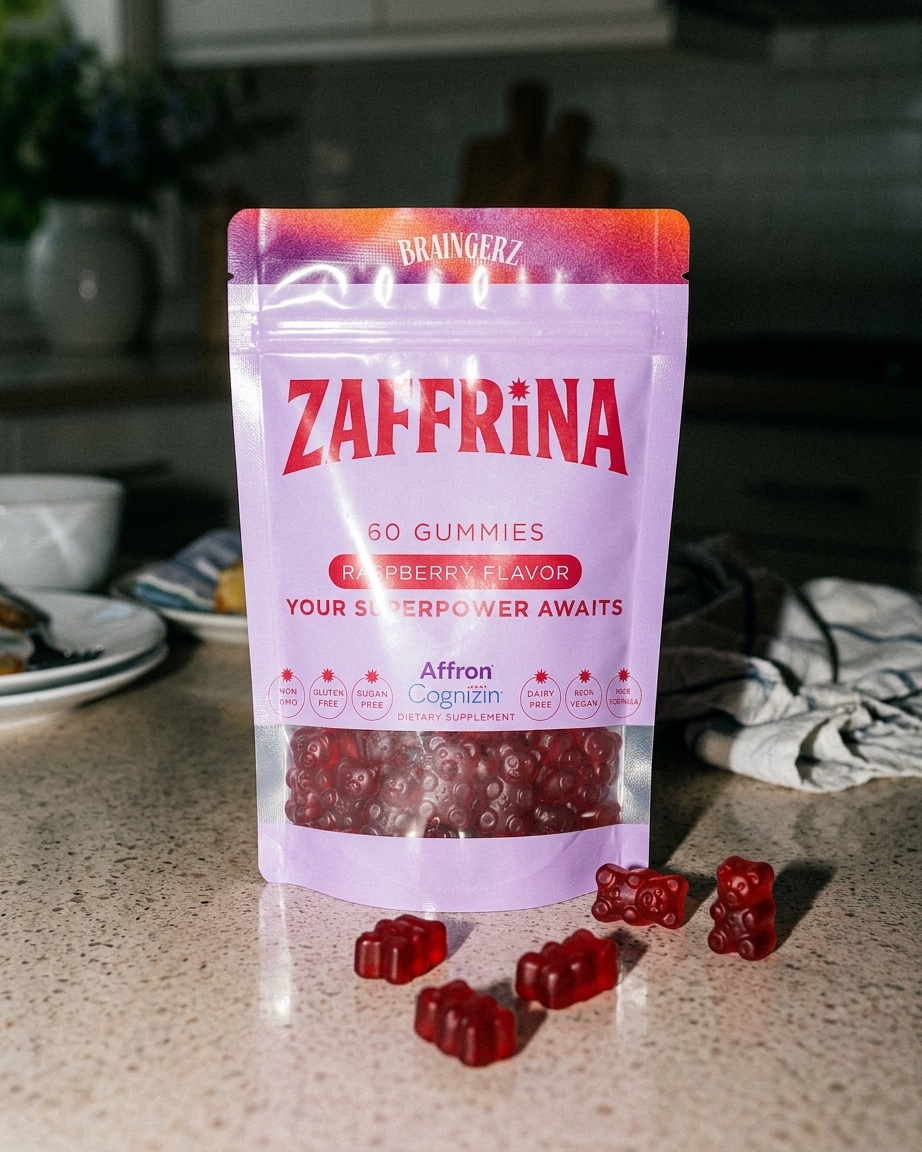
- 30-day supply · Berry-Yummy raspberry flavor · kids actually take these
- 8 clinical ingredients: Affron saffron, Cognizin citicoline, phosphatidylserine, L-theanine, B6, B12, zinc, lemon balm
- No stimulants · No sugar · No crash · Non-drowsy · GMP facility · Made in USA
- Safe alongside existing prescriptions · 2 gummies daily for ages 6+
- Free insured shipping · 7-10 day US delivery · Cancel anytime
- 90-day money-back guarantee. If nothing changes, the money comes back
These statements have not been evaluated by the Food and Drug Administration. This product is not intended to diagnose, treat, cure, or prevent any disease. Consult your child's healthcare provider before starting any supplement, particularly if your child is currently taking prescription medication. Individual results vary.
Okay I want to believe this but my son has been on Concerta for two years and his pediatrician manages it carefully. I'm genuinely skeptical about adding a supplement on top of a prescription without a doctor's input. Has anyone actually talked to their kid's doctor about this and gotten a real answer?
Tara, I had the same concern and I actually brought the ingredient list to our developmental pediatrician before starting. She looked at it, said the ingredients were well-studied and non-stimulant, and told me to go ahead and monitor. My daughter has been on Vyvanse for 18 months. We added Zaffrina six weeks ago. The afternoons are genuinely different. She ate a full dinner last Tuesday for the first time in I don't know how long. I'm not saying it's magic. I'm saying something changed and I can see it at the kitchen table.
Tara's instinct to check with the prescribing doctor is the right one. What I can add from a clinical standpoint: Affron saffron and Cognizin citicoline are both patented, peer-reviewed ingredients with pediatric safety data. They work on dopamine and acetylcholine pathways, not the same mechanism as stimulants. There is no known interaction with methylphenidate or amphetamine-based medications at standard doses. That said, every child is different and the prescribing doctor should always know what else is being taken.
My son is 11, diagnosed at 7, been through three different stimulant doses trying to find the right one. We started Zaffrina eight weeks ago. He is still on his prescription. What changed is that he now comes to the dinner table and actually eats. And he falls asleep before 10pm, which had not happened in over a year. I don't talk about supplements at school pickup. But when another dad asked me last week what we changed, I told him about this first.
Tara, your instinct is exactly right and I want to be direct about it: always tell your child's prescribing doctor what supplements you are adding. The ingredients in this formula are non-stimulant and have pediatric safety data, but your doctor knows your child's full picture and should be part of the conversation. What I can say from the research side is that the gap this formula addresses, the hours after the stimulant window closes, is real and documented. The 90-day guarantee exists because the formula should prove itself in your specific kid's life, not just in aggregate data. If it does not, send it back.